Short answer: German silver has no silver in it. It is an alloy of copper, nickel and zinc that was made to look like silver. Sterling silver is real silver: 92.5% pure silver mixed with 7.5% other metals, usually copper, which is why it is stamped 925. So the two can look almost identical in a shop, but they differ in value, resale, how they age and how your skin may react to them.
Below is a side-by-side comparison, simple ways to tell them apart, what to ask the seller, and which one makes sense for anklets, toe rings, oxidised jhumkas and pooja items.
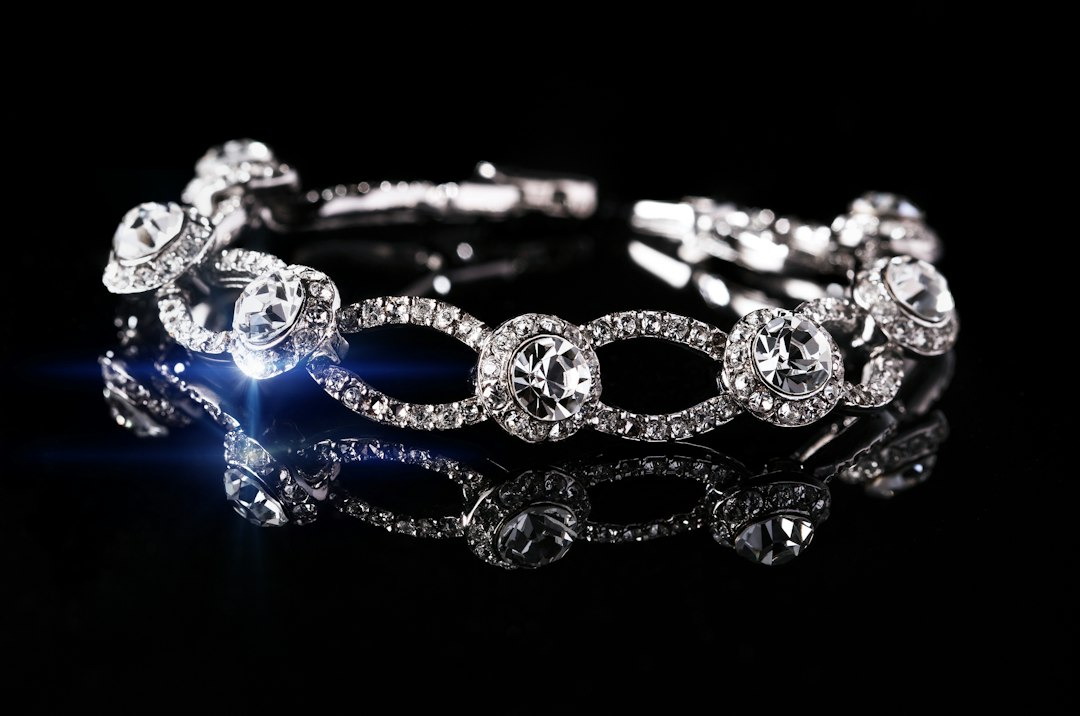
What Is German Silver?
German silver is a silver-coloured alloy, also sold as nickel silver or alpaca. It is mostly copper, with nickel giving it the white colour and zinc added to the mix. The name comes from Germany, where the alloy was developed and popularised in the 1800s as an affordable look-alike for silverware. Despite the name, it is a base-metal alloy, not a precious metal.
In India you will see it in pooja thalis, diya stands, kumkum boxes, decorative bowls, and a lot of fashion jewellery, especially oxidised pieces sold at markets and online at low prices.
What Is Sterling Silver?
Pure silver (often called fine silver, 999) is too soft for most jewellery. It bends and scratches easily. Sterling silver solves that by mixing 92.5 parts silver with 7.5 parts of another metal, usually copper. The result is harder and better for rings, chains, payal and bracelets while still being mostly silver. That is why sterling pieces are stamped 925.
German Silver vs Sterling Silver: Side-by-Side
| Point | German silver | Sterling silver |
|---|---|---|
| Silver content | None | 92.5% |
| Main metals | Copper, nickel, zinc | Silver plus copper (sometimes other metals) |
| Usual stamp | Often none, or EPNS on plated items | 925, and in India a BIS hallmark with HUID if hallmarked |
| Price | Low, priced as a finished product | Higher, linked to the day’s silver rate plus making charges |
| Resale value | Very little | Has metal value; jewellers usually buy back at the silver rate minus a deduction |
| Colour | White to slightly yellowish or greyish | Bright white, softer shine |
| Ageing | Can dull, yellow or turn slightly greenish | Tarnishes grey to black, which can be polished off |
| Skin | Contains nickel, a common skin allergen | Usually nickel-free, though alloys and plating vary |
| Best for | Decor, pooja items, budget fashion jewellery | Daily-wear jewellery, gifts, heirloom pieces |
How to Tell German Silver From Sterling Silver
No single home test is perfect, so use a few together. For more detail on testing, see our guide on how to check real silver at home.
- Look for the hallmark. Sterling pieces are usually stamped 925. In India, a BIS-hallmarked silver item also carries a six-digit HUID code, which you can check on the BIS Care app. A plain 925 stamp without a hallmark is only the seller’s claim.
- Check the invoice. A real silver bill should mention purity and weight, and the price should track the silver rate. If a heavy piece costs about the same as a meal out, it is almost certainly not sterling.
- Compare the colour. Next to a known silver piece, German silver often looks a little greyer or more yellow.
- Watch how it ages. Sterling darkens to grey or black. German silver tends to go dull or pick up yellow, brown or greenish tones.
- Feel the weight. Silver is denser than nickel silver, so a sterling piece usually feels a bit heavier than a German silver piece of the same size. This only helps if you have both to compare.
- Ask for a test. A jeweller can do an acid test or, more reliably, an XRF test that reads the metal content without damaging the piece.
Skip the magnet test for this comparison. It is useful for catching cheap iron or steel pieces, but neither sterling silver nor typical German silver sticks to a household magnet, so it will not tell these two apart.
India’s Silver Hallmarking Rules in Brief
Silver hallmarking in India has been voluntary since 2005. From 1 September 2025, any silver article that is hallmarked must carry an HUID number, and the revised standard lists seven purity grades: 800, 835, 925, 958, 970, 990 and 999. BIS has said it is studying a move to mandatory silver hallmarking, so check the current rule with your jeweller or on the BIS website before a big purchase. German silver, having no silver content, does not get a silver hallmark.
A Naming Trap: German Silver in Antiques
If you collect antiques, you may see older silverware described as German silver that actually contains silver, often at an 800 standard (80% silver), which was common in Germany and parts of Europe. That is real silver of lower purity than sterling. In everyday Indian jewellery and pooja shops, though, German silver almost always means the copper-nickel-zinc alloy with no silver. When in doubt, ask the seller to write the silver percentage on the bill.
Is German Silver Safe to Wear?
For most people, wearing German silver for a few hours is fine. The main concern is nickel. Nickel is one of the most common causes of contact allergy, and people who are sensitive to it may get itching, redness or a rash where the metal touches the skin, especially with earrings, rings and toe rings that stay on for long periods or get sweaty.
If you already react to artificial jewellery or metal jeans buttons, choose sterling or fine silver for pieces you wear daily, and check that they are not nickel-plated. If you develop a persistent rash, take the piece off and see a doctor or dermatologist.
Does German Silver Have the Benefits People Link to Silver?
Many families wear silver payal, bichiya and bangles for traditional reasons, and some believe silver has a cooling effect on the body. These are cultural beliefs rather than proven medical benefits, and we cover them, with their limits, in our posts on benefits of wearing silver anklets and silver toe rings. Whatever your view on these beliefs, they are about silver. German silver contains none, so if the tradition matters to you, buy real silver.
Which One Should You Buy? Piece by Piece
| Item | Better choice | Why |
|---|---|---|
| Payal (anklets) for daily wear | Sterling or higher purity silver | Worn for long hours against skin, often a family tradition |
| Bichiya (toe rings) | Sterling silver | Worn constantly; nickel can irritate skin between the toes |
| Oxidised jhumkas for one outfit | German silver is fine | Low cost, bold look, worn occasionally |
| Oxidised jhumkas you wear often | Oxidised sterling silver | Lasts longer and is easier on the ears |
| Pooja thali, diya, kumkum box | German silver or real silver, as budget allows | Not worn on skin; German silver gives the look for less |
| Gift for a newborn or a wedding | Hallmarked silver | Holds value and can become an heirloom |
| Costume jewellery for a theme party | German silver | Short use, low budget |
Styling oxidised earrings with a cotton saree? Our jhumka captions post has photo-ready lines for that look.
Questions to Ask Before You Pay
- Is this real silver? What is the purity in numbers, 925 or something else?
- Is it BIS hallmarked, and can I see the HUID?
- Will you write the purity and weight on the bill?
- What is your buyback or exchange policy for this piece?
- Is there any plating on it, such as rhodium or nickel?
A seller who hesitates over these questions, or describes a piece as silver look, silver finish, German silver or oxidised silver colour, is most likely selling an alloy, not silver.
Care Tips for Both
- Store pieces separately in zip pouches to slow tarnish and avoid scratches.
- Keep both away from perfume, hairspray and swimming-pool water.
- Wipe with a soft cloth after wearing, especially in humid weather.
- Do not use harsh silver dips on oxidised pieces; they strip the dark finish. Our guide on how to clean silver jewellery at home covers safe methods.
- German silver pooja items can be cleaned with mild soap and water and dried at once to avoid marks.
Frequently Asked Questions
Is German silver real silver?
No. In everyday Indian usage, German silver is an alloy of copper, nickel and zinc with no silver content. It only looks like silver.
Is 925 silver the same as sterling silver?
Yes. 925 means 925 parts per thousand, or 92.5% silver, which is the sterling standard.
Does German silver turn black?
It usually goes dull, yellowish or slightly greenish rather than the deep black that silver tarnish can reach. Both can be cleaned, but German silver will not regain the same bright white look as polished silver.
Can German silver turn my skin green?
It can. The copper in the alloy can react with sweat and leave a greenish mark. This is not usually harmful and washes off, but nickel sensitivity is a separate concern, so stop wearing a piece that causes itching or a rash.
Which has better resale value?
Sterling silver. It has real metal value linked to the silver rate, though jewellers usually deduct for purity and making charges. German silver has little resale value.
Is German silver good for Dhanteras shopping?
Many families prefer real silver for Dhanteras because buying precious metal is part of the tradition. German silver pooja items are a fine budget choice for decor. For festive greetings, see our Dhanteras wishes.
Comparing white metals more broadly? Read our explainer on the difference between platinum and silver.

