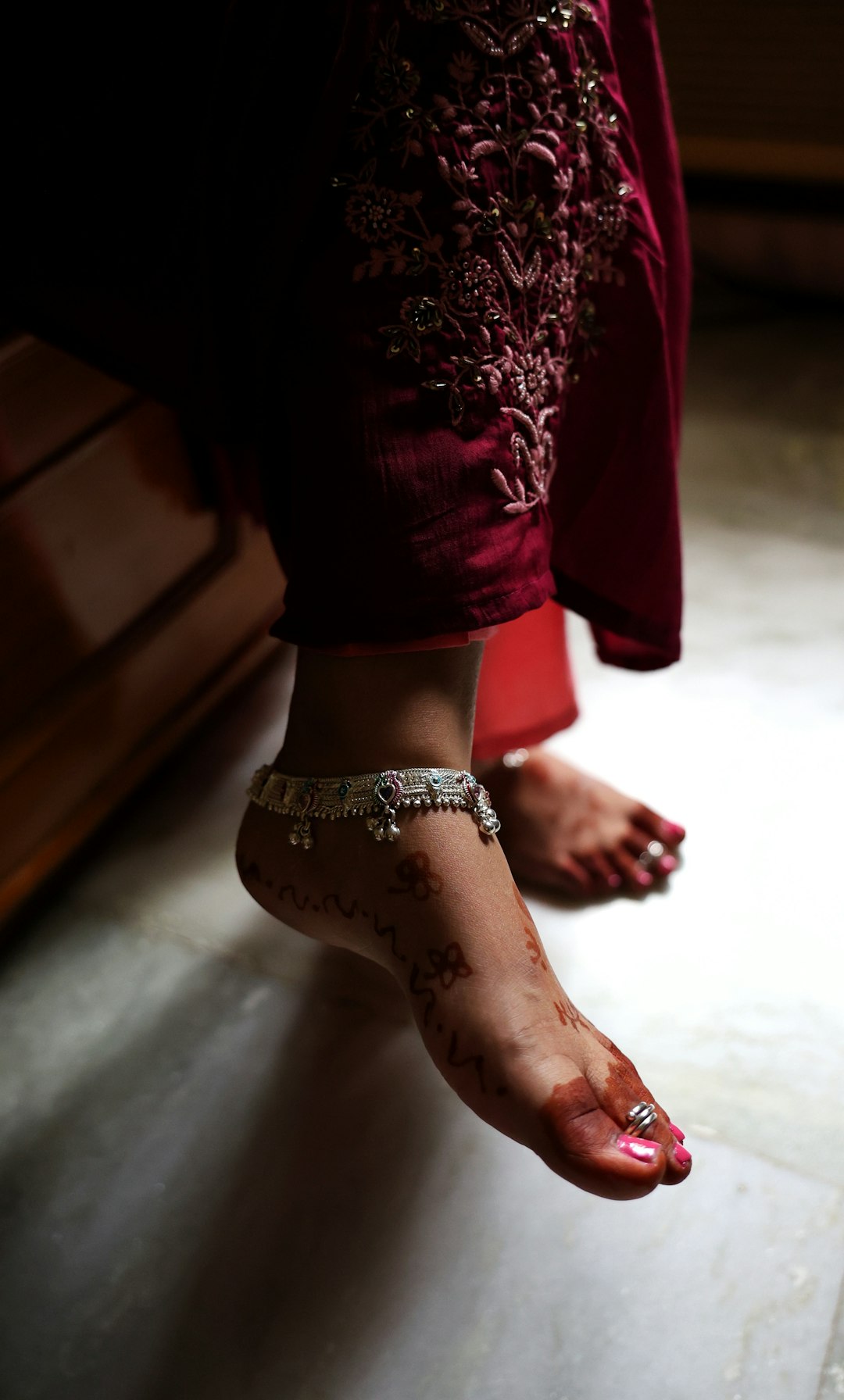
Silver toe rings, called bichhiya in Hindi, are worn by many married Hindu women as a sign of marriage, much like sindoor or a mangalsutra. The benefits people talk about fall into two groups: traditional beliefs about energy, fertility and pressure points, and practical reasons such as silver being affordable, durable and comfortable on the feet. This guide separates the two, explains why toe rings are usually silver and not gold, and covers fit, buying and care.
What Are Silver Toe Rings?
A toe ring is a small band, usually open or adjustable, worn on the second toe (the one next to the big toe). In many North Indian families they’re given to the bride as part of the wedding rituals and worn on both feet, often in pairs. Designs range from plain wire bands to wide filigree rings with small bells or meenakari work.
Toe rings go by different names across India:
| Region / Language | Common Name | Typical Tradition |
|---|---|---|
| Hindi-speaking states | Bichhiya / Bichhua | Put on during or right after the wedding; worn on both second toes |
| Marathi | Jodvi | Part of a Maharashtrian bride’s shringar, often with paijan (anklets) |
| Tamil | Metti | Put on the bride’s toes by the groom during the wedding ceremony |
| Telugu | Mettelu | Worn by married women, often with silver anklets |
| Kannada | Kalungura | Worn by married women on the second toe |
Customs vary by community and family, so it’s worth asking elders what your own tradition follows.
Traditional Beliefs About Silver Toe Rings
These are the reasons commonly passed down in families and repeated in many articles. They come from tradition, Ayurveda-influenced folk beliefs and reflexology ideas, not from clinical research.
- Connection to the reproductive system: A popular belief says a nerve from the second toe links to the uterus and heart, and that gentle pressure from the ring supports menstrual health and fertility. There is no scientific evidence for this nerve link or for any fertility effect.
- Pressure-point stimulation: Reflexology maps the feet to other parts of the body. Supporters say the ring presses a point as you walk. Reflexology itself has limited research support, and nothing specific to toe rings.
- Silver as a “cooling” metal: In traditional thinking silver is linked with the Moon and with calm, cooling energy, while gold is seen as warming.
- Absorbing energy from the earth: Some believe silver, as a good conductor, draws positive energy from the ground through the feet.
- A protective sign of marriage: Above all, bichhiya are a symbol: they show a woman is married and are associated with the well-being of her husband and family.
If these beliefs matter to you or your family, there’s no harm in honouring them. Just don’t rely on a toe ring for any health issue; see a doctor for that.
Why Are Toe Rings Made of Silver, Not Gold?
This is one of the most searched questions about bichhiya. The usual answers are:
- Respect for gold: Many Hindu families consider gold sacred and associated with Goddess Lakshmi, so it isn’t traditionally worn below the waist. Silver is used for anklets and toe rings instead.
- Cost: Toe rings rub against floors and footwear every day and are easily lost. Silver is far cheaper to replace than gold.
- Workability: Silver is soft enough to make adjustable rings that can be pressed to fit snugly.
The same reasoning applies to anklets, which we cover in detail in our guide on the benefits of wearing silver anklets.
Practical Benefits You Can Actually Count On
- Affordable: A plain pair costs a small fraction of a gold ring, so you can own several designs.
- Durable for daily wear: Good-quality sterling silver (92.5% silver) holds its shape well and polishes back to shine.
- Adjustable fit: Most toe rings are open-ended and can be eased wider or tighter.
- Pairs with ethnic wear: Bichhiya and payal finish the look of a saree or lehenga, especially in bridal photos.
- Usually gentle on skin: Silver suits many people, though sterling contains copper and cheap rings may contain nickel, which some people react to.
Which Toe Do You Wear It On, and How Many?
The second toe of each foot is the traditional choice for married women. Some families add rings on the middle toe as well, so a bride may wear two or three on each foot. Fashion toe rings, worn by anyone, can go on any toe that’s comfortable. There’s no single “correct” rule outside your family custom.
Popular Silver Toe Ring Designs
| Design | Looks Like | Best For |
|---|---|---|
| Plain band | Thin, simple wire ring | Everyday wear, office, comfort |
| Coil / spiral | Two or three twists around the toe | Traditional look, secure fit |
| Filigree | Fine openwork patterns | Weddings and festivals |
| Ghungroo | Small bells hanging from the band | Bridal and festive wear |
| Stone-studded | Small CZ or coloured stones | Parties, modern brides |
| Oxidised | Darkened, antique finish | Boho and fusion outfits |
| Chain-linked | Toe ring joined to an anklet | Beach weddings, haldi, photos |
How to Choose the Right Fit
- The ring should sit just above the base of the toe, not on the knuckle.
- You should be able to slide it gently without forcing it. If it leaves a deep mark, it’s too tight.
- Press adjustable rings slowly with your fingers; don’t use pliers, which can crack the joint.
- Toes swell in heat, after long walks and during pregnancy. Loosen or remove the ring if it feels tight or the skin changes colour.
- Pick a thinner band if you wear closed shoes daily; chunky designs rub inside footwear.
Buying Tips: How to Spot Real Silver
- Look for a stamp: “925” or “Sterling” means 92.5% silver. Tiny toe rings may not carry a stamp, so buy from a jeweller who gives a bill stating purity.
- Ask about BIS hallmarking: In India, BIS hallmarks are available for silver jewellery. A hallmark gives you independent confirmation of purity.
- Check the weight: Silver is priced by weight plus making charges. Ask for both separately.
- Be wary of very low prices: “German silver” and “white metal” contain no real silver despite the name.
- Do a simple magnet check: Silver is not magnetic. If a magnet sticks, the ring isn’t solid silver (a non-stick result alone doesn’t prove it is).
How to Care for Silver Toe Rings
- Wash your feet and rings with mild soap and water; dry well to prevent black buildup.
- Rub tarnish away with a soft silver-polishing cloth. A paste of baking soda and water works for stubborn spots; rinse afterwards.
- Avoid harsh floor cleaners, bleach and pool chlorine, which speed up tarnishing.
- Take them off for pedicures so the nail technician can work safely.
- Store spare pairs in a zip pouch away from air and moisture.
Styling Silver Toe Rings
Bichhiya look best when the rest of the outfit leaves the feet visible. Ankle-length sarees, cropped palazzos and flat juttis or kolhapuris all work. For weddings, pair ghungroo toe rings with matching payal and a silk saree; our guide to choosing the perfect saree and these wedding blouse designs help pull the look together. For the photos afterwards, borrow a line from our wedding captions.
Wearing other silver pieces too? See our guides to the benefits of wearing a silver ring and silver bracelets, or how silver compares with platinum.
FAQ
What are the benefits of wearing silver toe rings?
Traditionally, they’re believed to support reproductive health, stimulate pressure points and bring calm, cooling energy. These beliefs aren’t backed by scientific research. The practical benefits are that silver is affordable, durable, adjustable and a meaningful symbol of marriage.
Why do married women wear toe rings?
In many Hindu communities, toe rings are a sign of marriage, put on during or after the wedding. They are linked to the well-being of the husband and household.
Can unmarried girls wear toe rings?
Yes, as fashion jewellery. Some families prefer that unmarried women don’t wear bichhiya on the second toe because of its marriage symbolism, so check your family custom.
Can I wear gold toe rings?
You can, but many Hindu families avoid gold below the waist out of respect. Silver is the traditional and more common choice.
Is it safe to wear toe rings during pregnancy?
Many women do, but feet often swell during pregnancy. Loosen the rings or take them off if they feel tight, and ask your doctor if you notice numbness or skin changes.
Why do silver toe rings turn black?
Silver reacts with sulphur in air, sweat and some cleaning products, forming a dark layer called tarnish. It’s normal and can be polished off.

