A kamarbandh is a chain or belt worn around the waist, usually over a saree or lehenga. In silver, it is one of the most affordable ways to add a finished, festive look to ethnic wear. The benefits people talk about fall into two groups: practical ones you can see, like holding pleats in place and defining the waist, and traditional beliefs about silver that are part of culture rather than proven science. This guide separates the two, then covers the types, sizing, how to wear one and how to keep it shining.
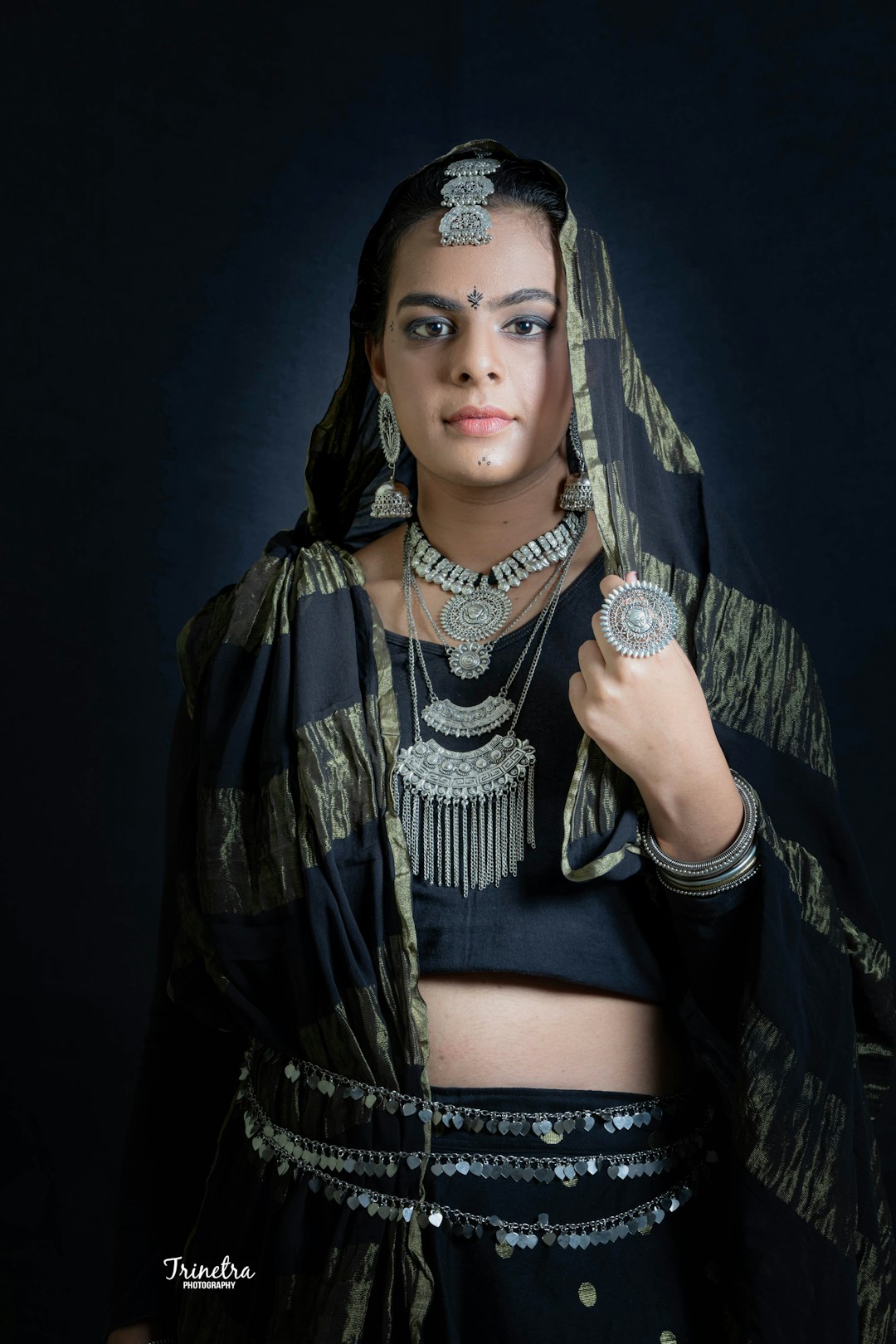
What Is a Kamarbandh?
The word comes from kamar (waist) and bandh (band or tie). It can be a thin chain that sits like a line of light on the drape, or a broad belt with motifs that covers several inches of the waist. Brides wear heavier pieces, dancers wear them as part of temple jewellery sets, and many women wear a light silver chain for festivals and family functions.
The ornament goes by different names across India:
| Region or language | Common name | Typical style |
|---|---|---|
| Hindi and North India | Kamarbandh, kamarband, kardhani | Chains, multilayer chains, latkan drops |
| Marathi | Kamarpatta | Broad belt worn with nauvari, often for brides and Lavani looks |
| Telugu | Vaddanam | Wide belt with central motif, often worn with pattu sarees |
| Tamil | Odiyanam | Belt with temple or Lakshmi motifs, common in bridal and dance sets |
| Malayalam | Aranjanam | Thin waist chain, traditionally also worn by children |
Benefits of Wearing a Silver Kamarbandh
Practical Benefits You Will Notice
- Keeps the drape in place. A waist chain sits over the pleats and the pallu, so the saree shifts less when you walk, dance or sit through a long ceremony.
- Defines the waist. It creates a clear line between the blouse and the drape, which helps the outfit look neat in photos.
- Finishes a bridal or festive look. It fills the visual gap between the necklace and the anklets, so the jewellery looks like a set.
- Costs less than gold. A substantial silver piece usually costs a fraction of a gold one of similar size, which is why many families choose silver for heavier designs.
- Works with many outfits. Silver suits pastels, whites, blues and black sarees, and an oxidised finish suits cotton and handloom.
- Adjustable. Most chains have extension links, so one piece can fit over different drapes and fabrics.
Traditional Beliefs Around Silver Waist Chains
These are beliefs passed down in families and in some astrological traditions. They matter to many people culturally, but they are not backed by scientific evidence.
- In some traditions, silver is linked with the moon and is described as a cooling metal. Some people believe wearing it around the waist brings calm or balance.
- In many communities the kamarbandh or vaddanam is part of the bridal trousseau, and some families see it as auspicious for a new bride.
- In parts of South India, a thin waist chain or thread is tied on babies and children, traditionally to ward off the evil eye.
- Some people believe a waist chain helps with posture or digestion. There is no reliable research showing this.
What the Evidence Says
No good-quality studies show that a silver waist chain improves digestion, helps with periods, reduces weight or changes hormones. Silver does have antimicrobial properties in specific medical uses, such as certain wound dressings, but that does not mean silver jewellery treats or prevents anything. If you have a health concern, talk to a doctor rather than relying on jewellery.
One practical health point: some people react to metals in alloys. Sterling silver (92.5) contains copper, and cheaper plated pieces may contain nickel. If you notice itching or redness where the chain touches skin, stop wearing it and wear it only over fabric.
We take the same approach in our guides to the benefits of a silver chain, silver anklets and silver toe rings.
Types of Silver Kamarbandh
- Single chain: A thin chain, sometimes with a small pendant at the front. Good for daily wear, office functions and fusion outfits.
- Multilayer chain: Two to five strands of different lengths. Looks festive without the weight of a belt.
- Belt or patta: A broad band made of linked plates. Common for brides and for nauvari and South Indian looks.
- Vaddanam or odiyanam style: A belt with a large central motif, often a deity, peacock or floral design.
- Pearl or latkan chain: Silver chain with pearl drops or tassels. Softer look, good for pastel sarees and lehengas.
- Oxidised kamarbandh: Darkened silver with tribal or folk motifs. Pairs well with cotton, khadi and handloom sarees.
- Minimal belly chain: Very fine chain worn on the skin with crop tops or low-waist skirts for a fusion look.
How to Wear a Kamarbandh With a Saree
- Drape the saree completely and pin the pleats and pallu first. The chain goes on last.
- Decide the height. For a classic look, place it at the natural waist, just below the blouse hem. For a lower, relaxed look, let it sit a couple of inches lower on the hip.
- Pass the chain over the pleats at the front and the pallu at the side, so it holds both.
- Fasten the hook at the back or on the side away from the pallu, so the clasp does not show in front photos.
- Adjust the extension links until the chain sits flat without digging in. You should be able to slide two fingers under it.
- Sit down once to check. If it rides up or pinches, loosen it by a link.
If you are still working on the drape itself, our guide on how to drape sarees in different styles walks through the main methods.
With a Lehenga
Wear the chain over the waistband of the skirt, below the choli. If the dupatta is pinned at the waist, let the chain hold it. Delicate chains suit flared lehengas, while a broad belt suits fitted or fish-cut styles. See our latest lehenga designs for outfit ideas.
With a Nauvari
A kamarpatta is a classic part of the Maharashtrian bridal look. Choose a broad belt and place it at the natural waist over the tucked drape. Our saree captions in Marathi have nauvari lines for when you post the look.
With Silk Sarees
Heavier silks like Kanjivaram and Banarasi can carry a wider belt. For lighter silks such as Mysore silk or tussar, a slim chain is easier to wear. Our guide to types of silk sarees explains how these fabrics differ.
Choosing the Right Size and Weight
- Measure over the outfit. Wrap a measuring tape around your waist over a draped saree, not over bare skin. The pleats add bulk.
- Look for adjustment. A few inches of extension chain lets you wear the same piece with different fabrics.
- Think about weight. Heavy belts look grand but can feel tiring through a long wedding. For events longer than a few hours, a lighter chain is easier.
- Match the scale to your frame. A broad belt makes a strong statement; a thin chain is subtler. Pick based on how much attention you want at the waist.
Buying Tips
- Check for a 925 or 92.5 purity stamp, and ask whether the piece carries a BIS hallmark.
- Ask whether the price is by weight plus making charges, and compare both parts across shops.
- Confirm whether the piece is solid silver or silver-plated brass. Plated pieces are lighter and cheaper but can wear off over time.
- Test the clasp. An S-hook is common, but a lobster clasp or box lock is more secure for dancing.
- Ask about resizing and the return or exchange policy, especially when buying online.
How to Care for a Silver Kamarbandh
- Wipe it with a soft cloth after each wear to remove sweat and perfume.
- Store it in an airtight pouch or zip bag so it tarnishes more slowly.
- Keep perfume, hairspray and body lotion away from it.
- For light tarnish, use a silver polishing cloth. For deeper cleaning, a jeweller can polish it.
- Avoid harsh dips on oxidised pieces, as they can strip the dark finish.
- Lay it flat instead of hanging it, so the links do not stretch.
Wearing one to a family wedding? Our brother wedding captions include outfit lines for the groom’s sister.
FAQs
Is it good to wear a silver waist chain every day?
You can, if it is comfortable and does not irritate your skin. A light chain is easier for daily wear than a broad belt. Remove it while sleeping so the links do not catch on bedding.
Can unmarried women wear a kamarbandh?
Yes. In most places it is treated as an ornament for anyone. Some families associate certain heavy designs with brides, so follow your family custom if it matters to you.
Does a silver waist chain help with weight loss or digestion?
There is no reliable evidence for this. These ideas come from tradition and marketing, not from studies. Wear it for style and personal meaning.
Should I choose silver or gold for my kamarbandh?
Silver is far more affordable for heavier designs and suits cool colours and oxidised looks. Gold suits deep red and maroon bridal outfits. Some people pick gold-plated silver to get the warm colour at a lower cost.
Where should the clasp sit?
At the back or on the side away from the pallu, so it stays hidden in photos.

