Carpet tiles are squares of carpet, usually 50 x 50 cm, that you lay one by one instead of rolling out a single sheet of carpet. That one difference explains most of their appeal. If a coffee spill ruins one square, you lift it out and drop in a new one. If you move a meeting room wall, the floor moves with you.
This guide covers how carpet tiles work, which material suits which space, what to check before buying, and how Indian brand Marzel has grown since it entered the market in 2025.
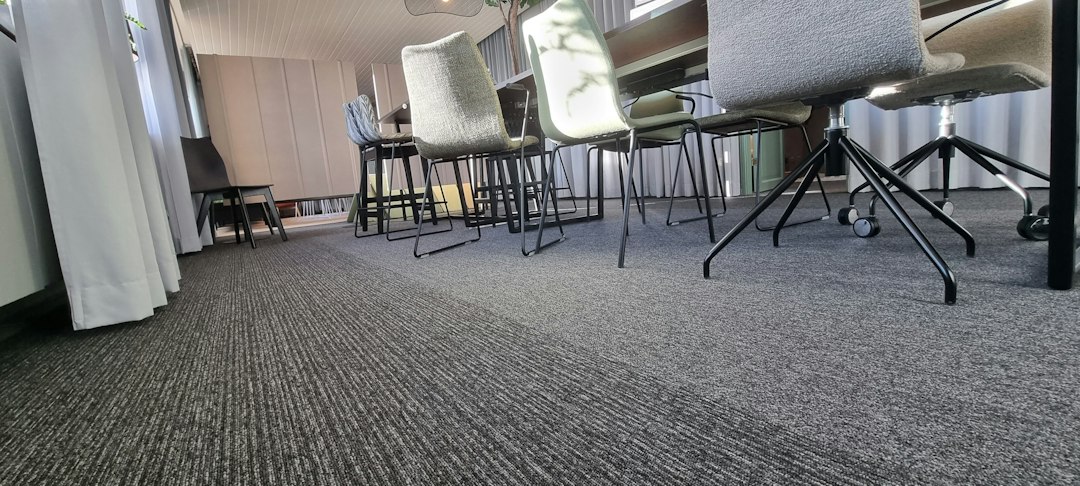
What is carpet tile flooring?
A carpet tile has two layers that matter: the face yarn you walk on and a stiff backing (often PVC or bitumen) that keeps the tile flat and stable. The backing is why tiles stay in place with a light tackifier adhesive rather than heavy glue, and why they can be lifted later without wrecking the subfloor.
You will also hear them called modular carpet or carpet squares. Same product.
Carpet tiles vs wall-to-wall carpet
| Point | Carpet tiles | Wall-to-wall (broadloom) |
|---|---|---|
| Damage repair | Replace a single tile | Patch or replace a large section |
| Installation | Faster, less cutting waste | Needs skilled fitting, more offcuts |
| Design options | Mix colours, make borders, pathways and patterns | One continuous look |
| Access to floor below | Lift tiles to reach cabling in raised floors | Difficult |
| Seams | Visible grid if poorly laid | Fewer seams |
Nylon or polypropylene: which should you pick?
Nylon tiles cost more, but nylon fibre recovers well after being crushed by chairs and footfall, and it handles stains and repeated cleaning better. It is the usual choice for busy offices, hotel corridors and conference halls.
Polypropylene (PP) tiles are lighter on the budget and resist moisture and fading. They suit training rooms, cabins, schools and projects where cost per square foot matters more than a 10-year lifespan.
A simple rule: if people walk over the same path hundreds of times a day, spend on nylon. If the area sees moderate use, PP is usually enough.
Where carpet tiles work best
- Offices and co-working spaces: they absorb sound, so open-plan floors feel quieter.
- Hotels and banquet areas: damaged tiles near entrances or buffet counters can be swapped overnight.
- Schools and coaching centres: softer underfoot and warmer than vitrified tiles.
- Showrooms and retail: coloured tiles can mark walkways or brand zones.
- Homes: kids’ rooms, home offices and media rooms, especially for renters who want something removable.
They are a poor fit for kitchens, bathrooms, and any area that stays wet.
What to check before you buy
- Fibre type: nylon or PP, as above.
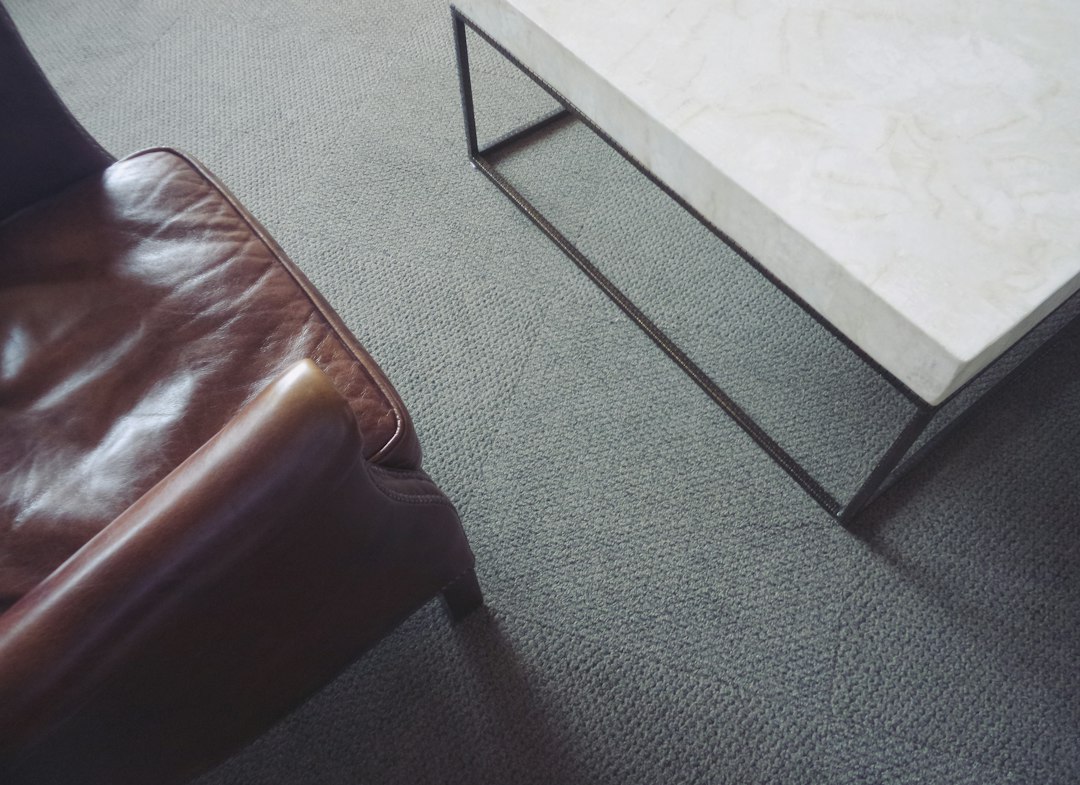
- Pile type: loop pile is tougher and easier to maintain; cut pile feels softer.
- Backing: ask what it is made of and whether it lies flat in hot, humid rooms.
- Fire rating and certifications: commercial projects often ask for these, so get the test documents, not just a brochure claim.
- Batch numbers: order a few spare boxes from the same batch. Colours can vary slightly between batches, and you will want matching replacements later.
- Samples: see the tile under your own lighting before deciding.
Installation and care
The subfloor needs to be clean, dry and level. Most installers start from the centre of the room and work outward so cut tiles end up at the walls. Tiles can be laid all in one direction for a broadloom-like look, or turned 90 degrees each time (quarter-turn) to create a checkerboard texture that hides wear.
For care, vacuum regularly, especially near entrances where grit wears fibres fastest. Clean spills quickly, and plan a deep clean once or twice a year in busy spaces. Rotating heavily used tiles with ones from under furniture can even out wear.
Common mistakes
- Choosing PP tiles for a high-traffic lobby to save money, then replacing them early.
- Skipping the spare stock, so a single damaged tile later needs a near match.
- Laying tiles on a damp floor, which can loosen the adhesive and cause odour.
- Mixing directions by accident when a uniform look was planned (check the arrows on the back).
Marzel carpet tiles: background and achievements
Marzel is a carpet tile brand from Surat, Gujarat, launched by Dolphy India Pvt. Ltd., a company better known for washroom automation and hospitality products. The brand was introduced in July 2025 under managing director Bhagirath Sorathiya, with a range covering nylon, Signature Nylon and polypropylene tiles for commercial and residential projects.
Here is what the brand has achieved so far, based on company announcements and press coverage:
- Launch on a strong base: Marzel came in with the backing of Dolphy, which reports over 10,000 commercial installations and more than 250 product SKUs across airports, hotels, malls and IT parks.
- Exhibition debut: the tiles were showcased as a new launch at the ACETECH 2025 exhibition in Delhi, where Dolphy said the response from architects, developers and hospitality buyers was very positive.
- Hospitality presence: Marzel appeared alongside Dolphy at the India International Hospitality Expo 2026.
- New collections: the Signature Nylon Earthy Elements collection, inspired by natural textures, and the Gravity collection, aimed at premium commercial interiors.
- Quality certifications for the parent company: Dolphy has announced BIS certification for its certified products and ZED Gold certification, both of which point to a focus on manufacturing standards.
- Sustainability focus: the company says its tiles use recyclable materials and low-VOC adhesives, which can help projects working toward green building ratings such as LEED and IGBC.
- Made in India: tiles are manufactured in India using European machinery, in line with the Make in India initiative.
For a brand that is little more than a year old, that is a quick start. As with any flooring purchase, it is worth asking for samples and test certificates for the specific tile you plan to use.
Frequently asked questions
How long do carpet tiles last?
It depends on fibre, traffic and care. Nylon tiles in a well-maintained office usually outlast PP tiles in the same setting. Ask the supplier for the warranty on the specific product.
Can carpet tiles be used at home?
Yes. They work well in bedrooms, home offices and play areas. Avoid wet zones like bathrooms and kitchens.
Can I install carpet tiles myself?
Small rooms are manageable for a careful DIYer with a straight edge and a sharp cutter. For large or commercial spaces, a professional installer will get cleaner lines and proper adhesive coverage.
Are carpet tiles hard to clean?
No. Regular vacuuming handles most dirt, and a badly stained tile can simply be replaced.

