The dependable benefits of wearing silver earrings are practical ones. Genuine sterling silver suits many people who react to cheap fashion jewellery, it costs far less than gold, it goes with almost every outfit from jeans to a silk saree, and it lasts for years with simple care. Many families also wear silver for traditional reasons, such as the belief that it has a cooling effect or a link with the Moon in astrology. Those beliefs matter to people, but they are beliefs, not proven health effects. Claims that silver earrings cure headaches, improve blood circulation or boost immunity are not backed by reliable evidence, and this guide explains why.
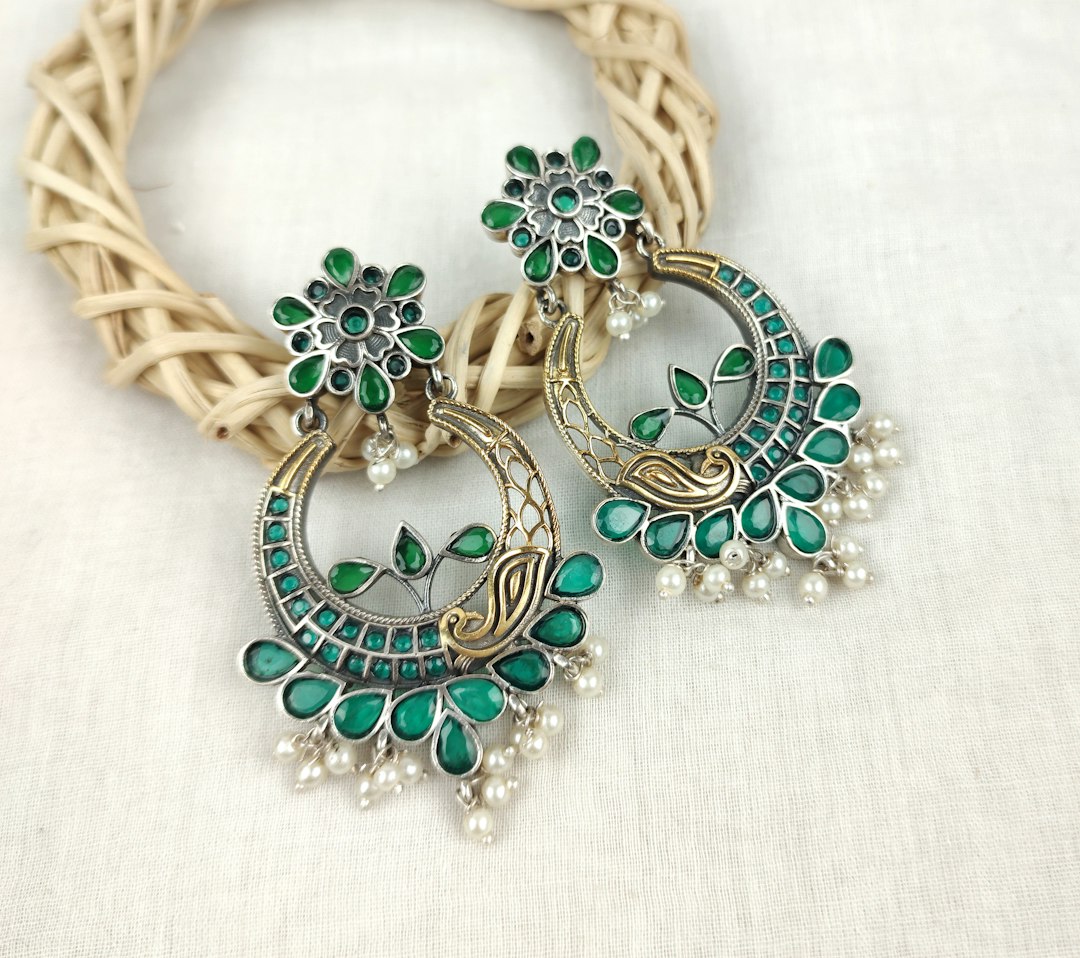
Silver Earring Benefits at a Glance
| Claimed benefit | What kind of claim it is | What we can fairly say |
|---|---|---|
| Kinder to sensitive ears | Practical | Often true for genuine, nickel-free 925 silver. Not guaranteed, because the 7.5% alloy varies. |
| Affordable precious metal | Practical | True. Silver is much cheaper than gold or platinum for a similar look. |
| Goes with everything | Practical | True. Cool and neutral tones suit most outfits and skin tones. |
| Lasts long and can be repaired | Practical | True for solid silver. Plated pieces wear off. |
| Cooling effect on the body | Traditional belief | Widely believed in Indian households; not shown in studies. |
| Strengthens the Moon in astrology | Astrological belief | A matter of faith and personal practice, not science. |
| Relieves headaches or improves circulation | Health claim | No reliable evidence. Don’t rely on earrings for any health problem. |
| Prevents ear infections | Health claim | Overstated. Silver has antimicrobial uses in medicine, but earrings are not a treatment, and sterling silver is not ideal for fresh piercings. |
The Practical Benefits
1. Often Better for Sensitive Ears
Nickel is one of the most common causes of itchy, red earlobes from jewellery. Sterling silver is 92.5% silver and 7.5% other metals, usually copper, so good-quality 925 earrings contain little or no nickel. That is why many people who cannot wear cheap fashion earrings are comfortable in silver. The catch: the alloy depends on the maker. If you have a known nickel allergy, ask for nickel-free sterling silver and check how your ears react over the first few wears.
2. Precious Metal at a Friendly Price
Silver gives you the feel and weight of real jewellery for a fraction of what gold costs. That makes it easier to own several styles, such as studs for work, hoops for weekends and jhumkas for festivals, instead of one expensive pair.
3. Works With Almost Every Outfit
Silver sits well with cool and neutral colours and with modern and traditional clothes alike. Oxidised silver jhumkas are a staple with cotton, handloom and Ilkal sarees, while polished silver with stones suits white, pastel, teal and black outfits. See our white saree and green saree styling tables for pairings.
4. Durable and Repairable
Solid silver earrings can be polished back to shine, re-soldered and re-plated if needed. Silver-plated brass, by contrast, wears through over time and cannot be restored the same way.
5. Some Resale Value
Because solid silver has metal value, old earrings can often be exchanged or sold back to a jeweller. What you get depends on purity, weight and the jeweller’s policy, so keep the bill.
Traditional Beliefs About Silver Earrings
These beliefs are part of many Indian households and are worth knowing, as long as they are understood as tradition rather than medical fact.
- Cooling metal: Silver is commonly described as a cooling metal, and some families prefer it in summer or for children. This is a cultural belief; there is no clinical evidence that earrings change body temperature.
- Link with the Moon: In Vedic astrology, silver is associated with Chandra (the Moon), and some people wear silver to feel calmer or on an astrologer’s advice. This is a matter of faith.
- Ear piercing as a ritual: Karnavedha, the ear-piercing ceremony, is one of the traditional samskaras in Hindu practice, and families sometimes use silver or gold for the first earrings. Today, most piercers recommend specific metals for a fresh piercing (see below).
- Earlobe points: Some sources link the earlobe to acupressure points. Wearing earrings is not an accepted form of acupressure treatment, and there is no good evidence it improves eyesight, digestion or headaches.
We have covered similar beliefs for other pieces in our guides to silver anklets, silver toe rings and the silver waist chain.
What Silver Earrings Cannot Do
A lot of pages online repeat strong health claims. Here is a more careful view.
- No proven effect on headaches, mood, circulation or immunity. If you have frequent headaches or other symptoms, see a doctor.
- Medical silver is not jewellery. Silver compounds are used in some wound dressings because of their antimicrobial action. That does not mean a solid silver earring prevents infection.
- Black marks are not a health signal. Silver reacts with sulphur in the air, sweat and some cosmetics and forms a dark tarnish that can rub onto skin. Claims that the colour reveals “heat” or a health problem in your body are not supported.
Are Silver Earrings Good for a New Piercing?
Usually not as the first pair. Sterling silver can tarnish inside a healing piercing and irritate it. Professional piercers commonly recommend implant-grade titanium, implant-grade surgical steel or solid gold (14k or higher) for initial jewellery. Once the piercing has fully healed, which can take around six to eight weeks for lobes and longer for cartilage, silver earrings are generally fine. Follow the aftercare advice from your piercer.
Types of Silver Earrings and When to Wear Them
| Style | Best for | Pairs well with |
|---|---|---|
| Studs | Daily wear, office, sleeping in (small, flat backs) | Kurtis, shirts, cotton sarees |
| Hoops and huggies | College, travel, weekends | Western wear, Indo-western sets |
| Oxidised jhumkas | Festivals, college events, handloom days | Cotton, khadi and handloom sarees |
| Chandbalis | Weddings, Diwali, receptions | Silk sarees, lehengas, anarkalis |
| Ear cuffs and ear chains | Statement looks without extra piercings | Open hair, low buns, sarees with deep backs |
| Silver with stones | Evening events | Black, teal, wine and white outfits |
Looking for lines to post with your jhumkas? Try our jhumka captions.
How to Check if Silver Earrings Are Genuine
- Look for a stamp. Genuine sterling usually carries “925” or “S925”. Very small earrings may not have room, so ask the seller.
- Check for hallmarking. In India, BIS hallmarking for silver jewellery is available. A hallmark adds confidence where a jeweller offers it.
- Ask for a bill with purity and weight. This helps with exchanges and resale.
- Be wary of “German silver”. Despite the name, German silver (also called nickel silver) is an alloy of copper, nickel and zinc with no silver in it. It is fine as fashion jewellery but not a good choice for nickel-sensitive ears.
- Don’t rely on the magnet test alone. Silver is not magnetic, but many fake metals aren’t either.
Comparing white metals? Our post on platinum vs silver explains the differences.
How to Care for Silver Earrings
- Put earrings on after perfume, hairspray and moisturiser, not before.
- Take them off before swimming, bathing and workouts.
- Wipe with a soft silver polishing cloth after wearing.
- Store each pair in a small zip bag or anti-tarnish pouch to limit air exposure.
- For oxidised pieces, avoid strong silver dips, which strip the dark finish.
- Clean earring posts with mild soap and water now and then, and dry them fully.
Who Should Be Careful
- People with metal allergies: choose certified nickel-free pieces and stop wearing them if itching or redness appears.
- Fresh piercings: wait until healed before switching to silver.
- Very heavy earrings: large chandbalis and jhumkas can stretch earlobes over time. Use ear chains for support or keep heavy pairs for short events.
- Young children: small parts and loose backs can be a choking risk, so supervise and choose screw-back studs.
Related Silver Guides
Read more in our guides to the silver ring, silver chain and silver bracelet.
FAQ
Is it good to wear silver earrings every day?
Yes, for most people. Small studs or huggies in genuine 925 silver are comfortable for daily wear. Remove them for swimming and wipe them now and then to slow tarnish.
Are silver earrings good for sensitive ears?
Often, yes, because good sterling silver contains little or no nickel. Since alloys vary, people with a known nickel allergy should ask for nickel-free sterling and watch for any reaction.
Can silver earrings cause infection?
Silver itself rarely causes problems in a healed piercing. Infections are more often linked to dirty posts, fresh piercings or poor aftercare. Keep posts clean, and see a doctor if you notice swelling, pus or pain.
Why do my silver earrings turn black?
That is tarnish, a reaction between silver and sulphur in the air, sweat or cosmetics. It is normal and not a sign of a health problem. A polishing cloth or mild cleaning brings back the shine.
Is silver good for babies’ ears?
Many families choose silver or gold for children, but the first earrings after piercing should be in a metal your piercer recommends. Pick small screw-back studs and supervise young children.

