The real benefits of a silver nose pin are practical: it is affordable, light, easy to wear every day, and genuine 925 sterling silver suits many people who react to cheap mixed metals. The health benefits you often read about, such as a link between the left nostril and the reproductive system, come from traditional and Ayurvedic belief rather than proven science. Both are covered below, clearly labelled, along with a point many jewellery blogs leave out: silver is usually not the right metal for a brand-new piercing.
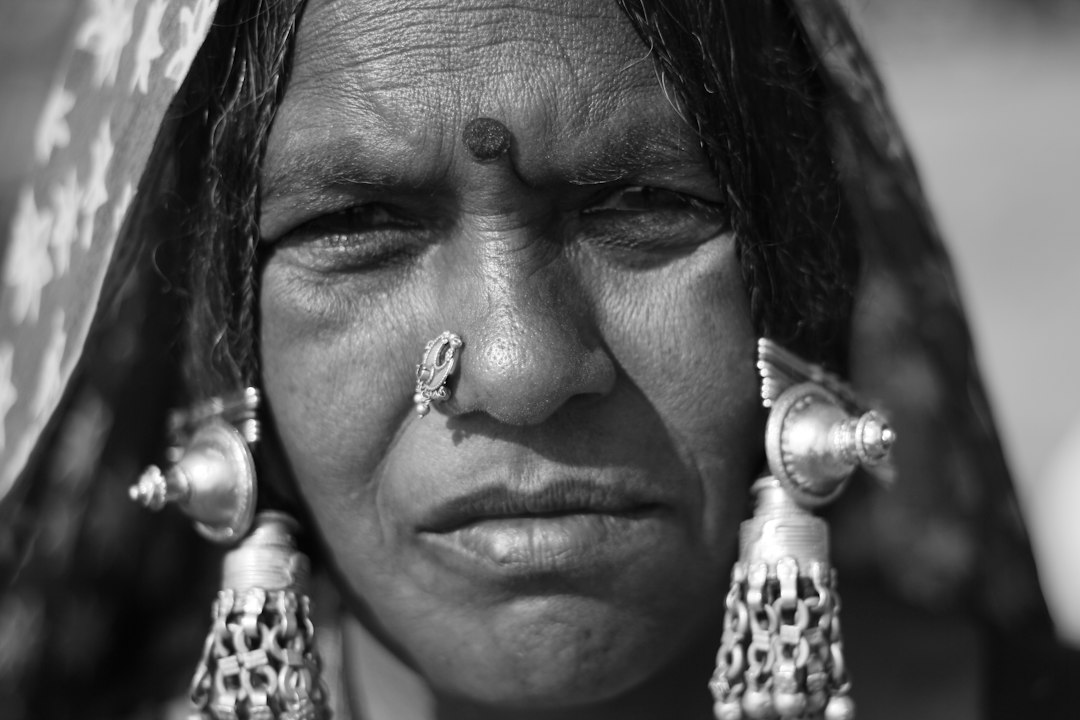
What Counts as a Silver Nose Pin?
Not every “silver” nose pin is the same metal, and this affects comfort more than anything else.
- 925 sterling silver: 92.5% silver mixed with other metals (usually copper) for strength. This is what most quality silver nose pins are made of, and it is often stamped “925”.
- Pure (fine) silver: softer and bends easily, so it is rarely used for the thin post of a nose pin.
- Oxidised silver: sterling silver deliberately darkened for an antique look, popular with cotton and handloom sarees.
- Silver-plated or “German silver”: a base metal with a silver-coloured finish. These are cheap but can wear off and may contain nickel, a common cause of skin reactions.
Practical Benefits of a Silver Nose Pin
These are the benefits you can actually count on:
- Affordable. You can own several silver nose pins for the price of one gold piece, which makes it easy to match different outfits.
- Lightweight and comfortable. Small silver studs are easy to forget you are wearing, which suits daily wear, office and sleep (for a fully healed piercing).
- Often kinder to sensitive skin than plated jewellery. Genuine sterling silver is typically nickel-free, so many people who react to cheap plated pieces find it more comfortable. Some people are sensitive to silver or copper too, so watch how your skin responds.
- Works with cool tones and oxidised looks. Silver flatters blue, black, white and grey outfits and suits the tribal and boho styles that gold does not.
- Easy to clean and polish. Tarnish wipes off with a silver polishing cloth.
- Low-risk way to try a style. If you are unsure about a hoop, a nath or a bigger stone, trying it in silver costs little.
Traditional Beliefs About Silver Nose Pins
These beliefs are part of Indian culture and many families value them. They are shared here as beliefs, not as medical facts.
- Left nostril and women’s health: A widely repeated belief, often linked to Ayurveda, holds that piercing the left nostril connects to a point associated with the reproductive organs and may ease menstrual or childbirth discomfort. There is no reliable clinical evidence for this.
- Silver as a “cooling” metal: In traditional thinking, silver is considered cooling and calming, while gold is considered warming. This is why silver is traditionally worn below the waist (as anklets and toe rings) in some communities, though nose jewellery is commonly gold for married women in many regions.
- Marriage and adulthood: In several communities, a nose pin or nath marks a girl’s coming of age or a woman’s married status. Customs vary widely.
- Astrology: Some astrologers link silver to the Moon and the nose pin to Venus and recommend it for emotional balance. These are spiritual beliefs without scientific backing.
If these traditions matter to you, follow your family’s custom. If you are choosing for health reasons, speak to a doctor rather than relying on jewellery.
What the Evidence Actually Says
Silver does have antimicrobial properties, which is why silver compounds are used in some wound dressings. That does not mean a silver nose pin prevents infection; jewellery does not release silver in the same controlled way, and an infected piercing needs proper cleaning and medical attention. No good-quality study shows that a nose pin, silver or otherwise, improves reproductive health, hormones or mood. Treat any claim like that as tradition, not proof.
Is Silver Safe for a New Nose Piercing?
This is the gap in most silver nose pin articles. Many professional piercers advise against sterling silver for a fresh piercing. The reason is practical: silver tarnishes when it meets moisture and body fluids, and in an unhealed wound that can irritate the skin and, in some cases, leave a grey-black mark.
- For the first piercing, ask your piercer for implant-grade titanium, niobium or solid gold of a suitable quality.
- Switch to silver only after the piercing is fully healed. Nostril piercings commonly take several months; your piercer can tell you when yours is ready.
- If you see spreading redness, pus, fever or pain that gets worse, see a doctor. Do not try to treat it by switching metals.
- Avoid piercing guns for the nose; a sterile needle by a trained piercer is the safer standard.
Left or Right Side?
Medically, either side is fine. The left side is traditional in much of North and South India because of the beliefs above, while some communities in the south and in Rajasthan favour the right side or both. Many people simply pick the side of their face they like best in photos, or the side opposite their usual hair parting.
Types of Silver Nose Pins
| Type | What it looks like | Best for | Note |
|---|---|---|---|
| Screw back stud | Small stone or dot, twisted post | Daily wear | Secure; a little fiddly to insert |
| L-shaped stud | Post bent at a right angle | Easy changing | Can slip out more easily |
| Bone stud | Straight post with a small ball end | Healed piercings | Pops in and out with light force |
| Hoop or bali | Thin ring through the nostril | Festive and boho looks | Wait for full healing first |
| Nath | Large ring, often with a chain | Weddings, Maharashtrian looks | Usually worn for occasions only |
| Clip-on or press-on | No piercing needed | Trying the look, photoshoots | May pinch; not for long wear |
| Oxidised stud | Dark antique finish | Cotton and handloom sarees | Ask for sterling base, not plated |
How to Buy a Good Silver Nose Pin
- Look for a 925 stamp or a hallmark, and buy from a seller who states the metal clearly.
- Check the post, not just the top. Some pieces have a silver design on a cheaper metal post, which is the part that touches your skin.
- Match the gauge to your piercing. Indian nose pins are often thinner than international body jewellery sizes; ask your piercer or jeweller if unsure.
- Choose the size of the top by occasion: 2 to 3 mm for office and everyday, bigger stones for festivals.
- Prefer smooth edges and set stones. Glued stones fall out, and rough edges catch on towels and dupattas.
- Skip pieces that seem too cheap for silver. They are likely plated.
Styling a Silver Nose Pin With Sarees
- Handloom and cotton sarees: an oxidised stud with matching oxidised jhumkas is the classic pairing.
- Blue, black and white sarees: polished silver picks up cool tones. Our blue saree and black saree caption posts include styling tables.
- Nauvari and Paithani: a silver nath works for a budget-friendly Maharashtrian look; gold is the more traditional choice for weddings. See our saree captions in Marathi for posting ideas.
- Keep metals consistent. If your nose pin is silver, silver or oxidised earrings and a silver ring make the look feel finished.
Posting your look? Grab a line from our nose ring captions.
How to Care for a Silver Nose Pin
- Remove it (once healed) before applying hair dye, strong face packs or chlorine-heavy pools.
- Wipe it with a soft silver polishing cloth when it darkens. Avoid toothpaste and harsh scrubs on small stones.
- Clean the post with a gentle saline rinse or mild soap and water, then dry it fully.
- Store spare pins in a small zip pouch to slow tarnish.
- Replace a pin if the post bends, the stone loosens or the plating (if any) wears through.
Frequently Asked Questions
Is it good to wear a silver nose pin daily?
Yes, for a fully healed piercing, a genuine 925 sterling silver stud is comfortable for daily wear. Clean it regularly and remove it if your skin turns red or itchy.
Can I wear a silver nose pin right after piercing?
It is generally not recommended. Many piercers suggest implant-grade titanium or suitable gold for the first jewellery and switching to silver only after full healing.
Does a silver nose pin have health benefits?
Traditional beliefs link it to reproductive health and calmness, but there is no reliable scientific evidence for these claims. Its proven benefits are comfort, price and style.
Why does my nose turn black around a silver nose pin?
Silver can tarnish against skin and sweat, leaving a dark mark. It usually washes off. If it persists, or appears in a new piercing, switch to titanium and consult a piercer or doctor.
Silver or gold nose pin: which is better?
Gold resists tarnish and is more traditional for married women in many communities; silver is cheaper and suits cool-toned and oxidised looks. For a healed piercing, both are fine if the metal is genuine.
This article is for general information and is not medical advice. For any piercing problem, consult a qualified piercer or doctor.

